Spring Decor Refresh: A Room-by-Room Checklist for UK Homes
October 06, 2026 - Home Decor


October 06, 2026 - Home Decor
October 03, 2026 - Home Decor
October 03, 2026 - Interior Design
October 01, 2026 - Home Decor
The smallest room in the house is usually the last one to get decorated, and the one where every choice shows. A colour that looked warm in the shop turns grey in a north-facing back bedroom. A pattern that seemed cheerful makes a narrow hallway feel tighter than it did before. Six months on, a seam has lifted behind the radiator.
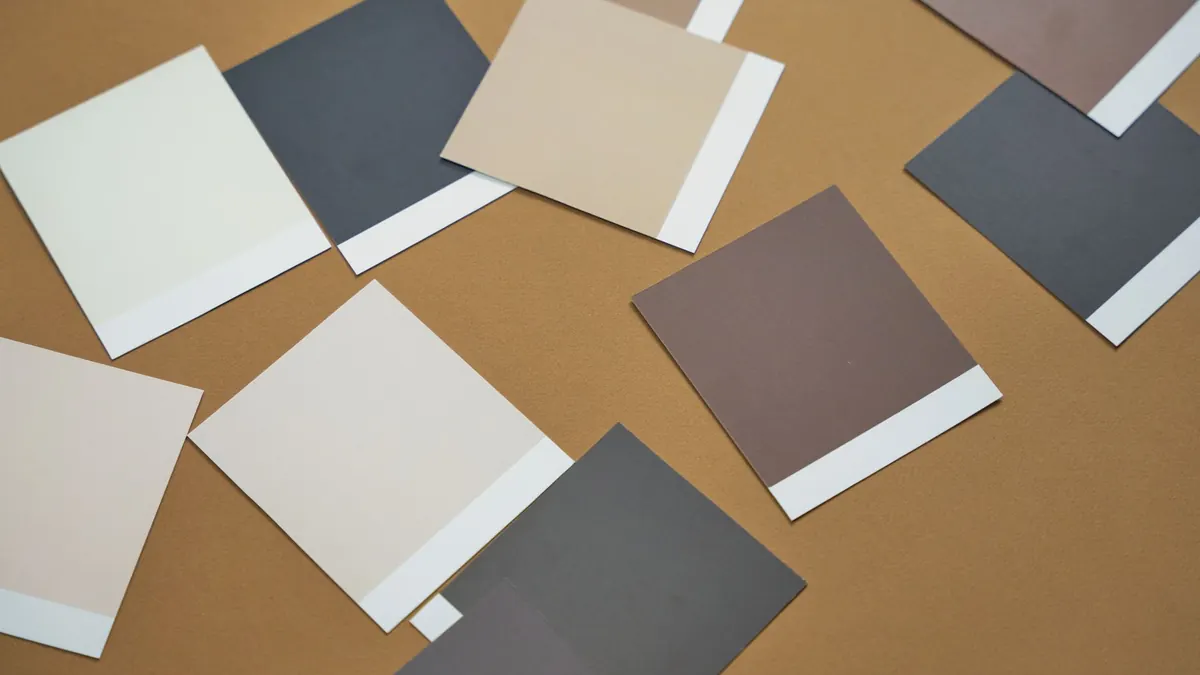
Paint and wallpaper both solve problems in small British rooms, but rarely the same ones. Working out which problem you actually have is most of the decision.
Before you look at a single sample, spend ten minutes reading the space. How much daylight does it get, and from which direction? A south-facing room can carry deep colour and bold pattern. A north-facing box room with one small sash window tends to swallow them both, and you end up repainting in April.
Then measure properly: ceiling height, the width of the floor at its narrowest point, and which way the door swings. Rooms under about 2.4 metres to the ceiling respond well to vertical lines — stripes, or simply a colour that runs up the wall and straight over the ceiling with no break at the cornice. Awkward proportions are often easier to disguise with pattern than with paint, but only if the pattern is doing something deliberate.
A few questions worth answering honestly before you spend anything:
Paint is usually the cheaper route, but the gap narrows once you count properly. A tin of emulsion, a primer if you're covering a strong colour, filler, sandpaper, masking tape, rollers, trays and brushes all add up. So does your time: a genuinely good paint job is mostly preparation, and a small room with four door frames and a windowsill can take a full weekend.
Wallpaper has its own arithmetic. You need the paper itself, paste or a pasting table, a smoother, a sharp knife and a plumb line. Pattern repeats mean waste — a bold design might need an extra roll or two to match across a chimney breast and two alcoves. Rolls from different batches can differ slightly in shade, so order everything at once and keep a spare.
Hanging paper is slower than painting, so if you're hiring someone, expect the labour to cost more per wall. Removing it later is also a job in itself, particularly old vinyl that comes off in strips the size of a postage stamp.
Paint is seamless in a way paper can never be. Colour carries around corners without interruption, which matters in an L-shaped room or a hallway that turns. Light tones bounce daylight about and make a cramped space feel calmer.
What paint doesn't do is hide anything. Every ripple, hairline crack and historic repair shows up under a window in the afternoon. The exception is a very deep colour: painting walls, ceiling, cornice and woodwork in the same dark shade removes the visual stop at the top of the wall, so the room reads as one volume. It feels enveloping rather than cramped, provided you have decent artificial light and don't mind the commitment.
Paper adds depth, texture and a sense of intention. Vertical stripes lift a low ceiling; wide horizontal stripes push the side walls apart. A large-scale design in a tiny cloakroom can look confident and deliberate, whereas a small, busy repeat in the same space tends to look restless.
Textured papers are worth knowing about. A subtle blown vinyl or anaglypta takes paint beautifully and smooths over a wall that would otherwise need skimming. On a crooked Victorian wall, that can save you hundreds in plastering — and it's a genuinely period-appropriate trick.
Standard matt emulsion marks if you look at it too hard, so hallways and children's rooms benefit from a durable, washable finish. Woodwork wants eggshell or a similar hardwearing paint that can be wiped. Kitchens and bathrooms need moisture-resistant products, and good ventilation matters more than either.
Wallpaper in a bathroom is a calculated risk. Wipeable vinyls exist, but on a cold solid wall they can trap condensation behind the paper, and that's when seams lift and mould appears. If you want pattern in a steamy room, paper one wall that isn't directly behind the shower or bath, and use a breathable lining paper underneath.
Rule of thumb for busy rooms: paint below the dado, paper above it. Scuffs wipe off, and the fragile part stays out of harm's way.
Older British houses were built to manage moisture differently. Solid brick and lime plaster absorb and release water vapour, and they need a finish that lets them do it. Modern acrylic and vinyl paints form a skin. Moisture gets stuck behind it, and you end up with blistering, flaking and a patch that reappears every winter no matter how many times you paint over it.
Breathable options — clay paint, chalk-based finishes, limewash, distemper — cost more and behave differently, but they suit old walls. Lining paper is your ally here too: it bridges hairline cracks and gives an even surface for paint or paper.
In period homes, the traditional hierarchy still works: paper above the picture rail or dado, paint below in a hardwearing colour, with the cornice and ceiling kept pale. It respects the proportions of the room and it's practical.
If you're dealing with rising damp, structural cracks, or you live in a listed building and want to change anything beyond decoration, get proper advice from a surveyor or your local conservation officer before you start. Paint choices are not the place to solve a water problem.
If you're still torn, work through it in this order:
For most small British rooms, the answer is a hybrid. Paint the ceiling, woodwork and the walls of hard-working spaces, then paper the one surface you see first — the chimney breast, the wall opposite the door, the alcove beside a fireplace. It gives the room character without making it busy, and it's far easier to live with than a pattern on every wall.
Whichever you choose, buy everything in one go, keep a note of the colour name and batch, and store a little back. Small rooms get repainted and repapered more often than large ones, and you'll be glad of the match.
Photo: cottonbro studio / Pexels
A practical room-by-room plan for lightening textiles, clearing clutter and adding fresh colour across a UK home...
Measuring each angled face, choosing a track that bends, and matching heading and fabric weight are what make bay...
October 06, 2026 - Home Decor
October 03, 2026 - Home Decor
October 03, 2026 - Interior Design
Copyright © 2026 Ripple Room. All Right Reserved.