Spring Decor Refresh: A Room-by-Room Checklist for UK Homes
October 06, 2026 - Home Decor

October 06, 2026 - Home Decor
October 03, 2026 - Home Decor
October 03, 2026 - Interior Design
October 01, 2026 - Home Decor
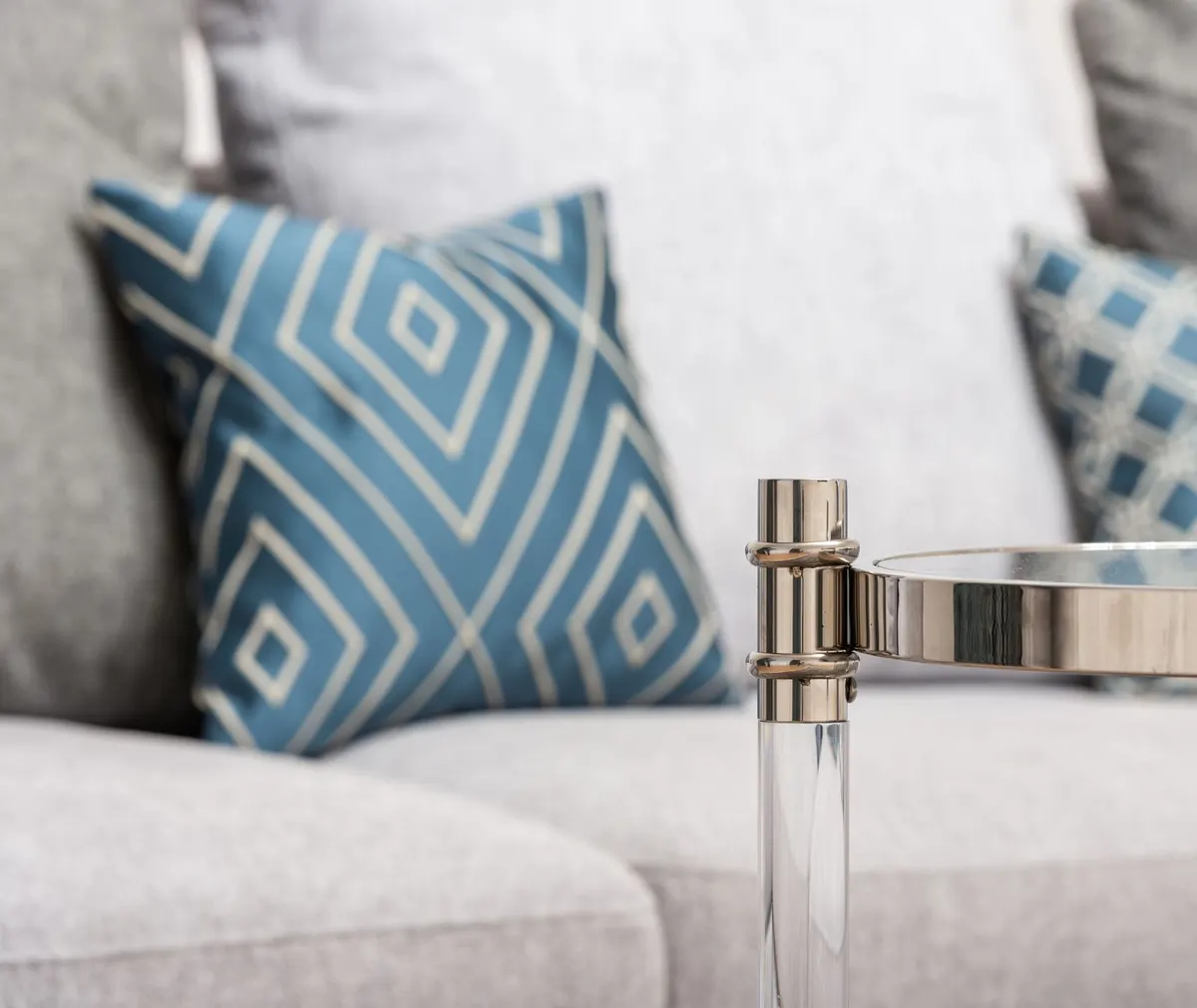
Mixing patterns is the point at which a traditional sitting room either comes alive or starts to look like a jumble sale. Most of us manage one pattern comfortably — a floral curtain, a checked throw — and then freeze at the thought of adding a second. The good news is that traditional rooms were made for this. Florals, stripes and checks have been sharing space in British sitting rooms for generations, and they rub along happily because of three quiet rules: scale, colour and motif. Get those right and you can layer with confidence.
The single most common mistake is choosing two patterns of a similar size. A medium floral cushion on a medium floral sofa will make the eye jump; the two designs compete and the whole thing reads as a blur. What you want is deliberate difference.
A workable formula is one large, one medium, one small. In practice that might mean a big blowsy rose print on the curtains, a mid-scale check on the sofa, and a fine ticking stripe on the cushions. Each pattern is doing its own job, and because the sizes are so clearly different, nothing fights.
If you are unsure whether two patterns are too close in scale, photograph the fabric samples together and look at the image in greyscale. Colour disappears and all you see is shape and density. If the two fabrics suddenly look like the same pattern, they are too similar. Swap one out for something bolder or finer.
Patterns can be wildly different in style and still work beautifully, provided they share colour. Give yourself a palette of two or three shades and stick to it — soft green, faded red and cream, for example, or indigo, warm grey and off-white. Every fabric you bring in should contain at least one of those colours.
The trick is to vary tone rather than hue. A dusty pink stripe, a deeper oxblood floral and a washed-out raspberry check all sit in the same family, but the differences in depth stop the arrangement feeling flat. If a fabric contains none of your palette, no matter how much you love it, it will look like a guest who arrived at the wrong party.
Also give the patterns somewhere to rest. Plain walls, a solid upholstered chair, a simple linen lampshade — these are not boring, they are the silence that makes the music work.
Florals, stripes and checks behave quite differently, and it helps to think of them as characters rather than competitors.
Stripes are the structure. They add height, order and a sense of architecture, which is why they work so well on curtains, blinds and narrow upholstered chairs. Checks are the grounding force — ticking, gingham, tartan and houndstooth all feel solid and lived-in, and they anchor a scheme that might otherwise float away on flowers. Florals are the voice: they bring colour, nostalgia and the traditional character people picture when they imagine a proper sitting room.
Three patterns — one floral, one stripe, one check — is the sweet spot for most rooms. Two florals can also work, but only if one is large and blowsy and the other is a tiny sprig, separated by a good distance.
Placement matters as much as the fabrics themselves. Big patterns suit big surfaces; small patterns get lost if they are spread over something huge.
For every patterned element, aim for a solid one. A floral curtain wants a plain wall beside it. A checked sofa wants solid cushions in a plain velvet or linen. A busy rug wants a plain sofa above it. This is the rhythm that keeps a traditional room feeling generous rather than crowded.
Repeat your colours at least twice around the room, too. If the green appears only once, in a cushion, it will look like an accident rather than a decision.
If the idea of committing to fabric by the metre feels daunting, start small. Two cushions in a striped fabric and one in a medium check, added to a plain sofa in a room with floral curtains, will tell you almost everything you need to know about how the mix behaves in your light and against your walls.
Move pieces around the room before you spend again. Hold a fabric sample up against the curtains, drape it over the arm of a chair, stand back across the room and look properly. Traditional rooms reward patience and a slightly slower approach: the best ones look as though the patterns were gathered over years, because usually they were.
Photo: Max Vakhtbovych / Pexels
A practical room-by-room plan for lightening textiles, clearing clutter and adding fresh colour across a UK home...
Measuring each angled face, choosing a track that bends, and matching heading and fabric weight are what make bay...
October 06, 2026 - Home Decor
October 03, 2026 - Home Decor
October 03, 2026 - Interior Design
Copyright © 2026 Ripple Room. All Right Reserved.